
How to Recover From an Americana – Elbow Injury

In this post we will be looking at the effect of the Americana on the elbow and how to recover if you injure your elbow in an Americana. If you would like to learn more about the effects of the Americana on the shoulder, you can read my post on it here.
Americana Elbow Anatomy
The primary region of interest in the elbow when considering the Americana is the inside of the elbow if you have your arms by your sides with the hands pointed forward. The elbow is made up of three bones: the humerus (upper arm bone), ulna (inside forearm bone), and radius (outside forearm bone).
The stability of this portion of the elbow comes largely from the ligaments, with some contribution from the forearm flexors as well. The primary ligament on the inside of the elbow is the ulnar collateral ligament (UCL), also known as the medial collateral ligament; you may be familiar with this ligament as the ligament that baseball players injure all the time, which is responsible for the famous Tommy John surgery.
In reality, the UCL has three separate parts, the anterior, posterior, and transverse bands. If you read my post on arm bars, you will remember that I mentioned that the UCL can be damaged. In particular, the arm bar damages the anterior band of the UCL.
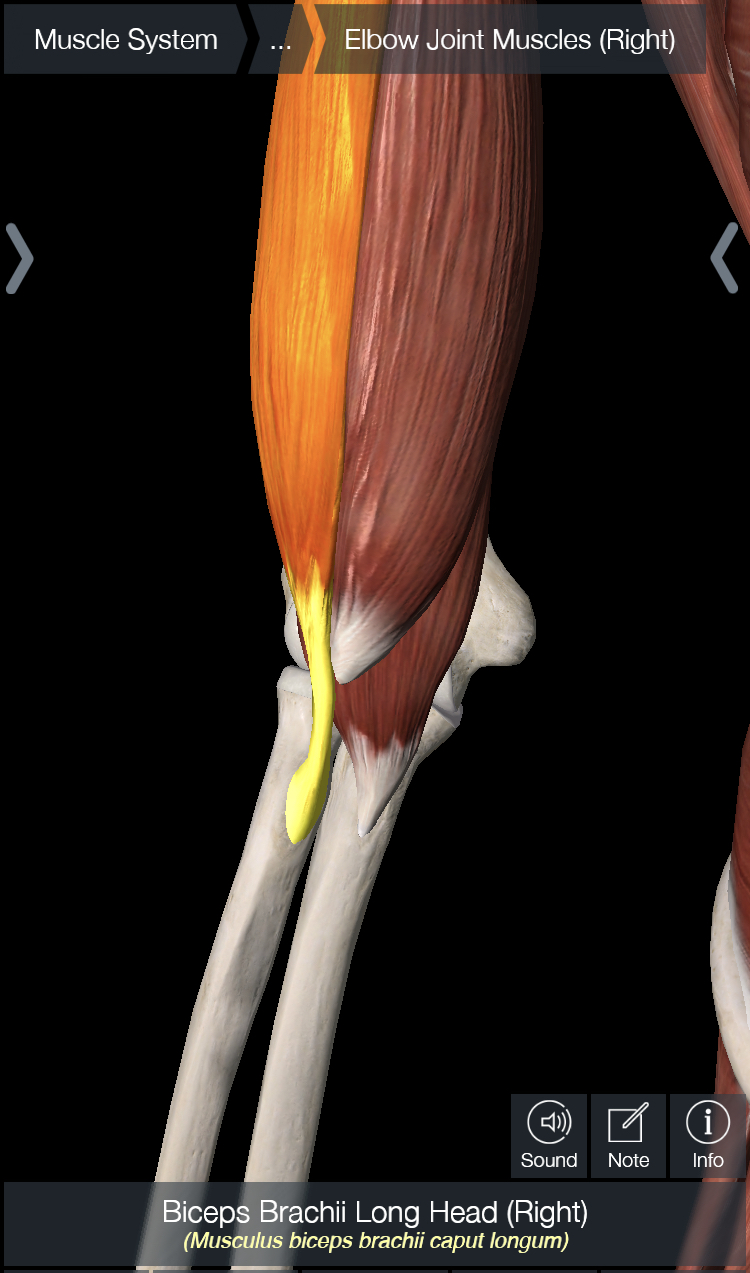
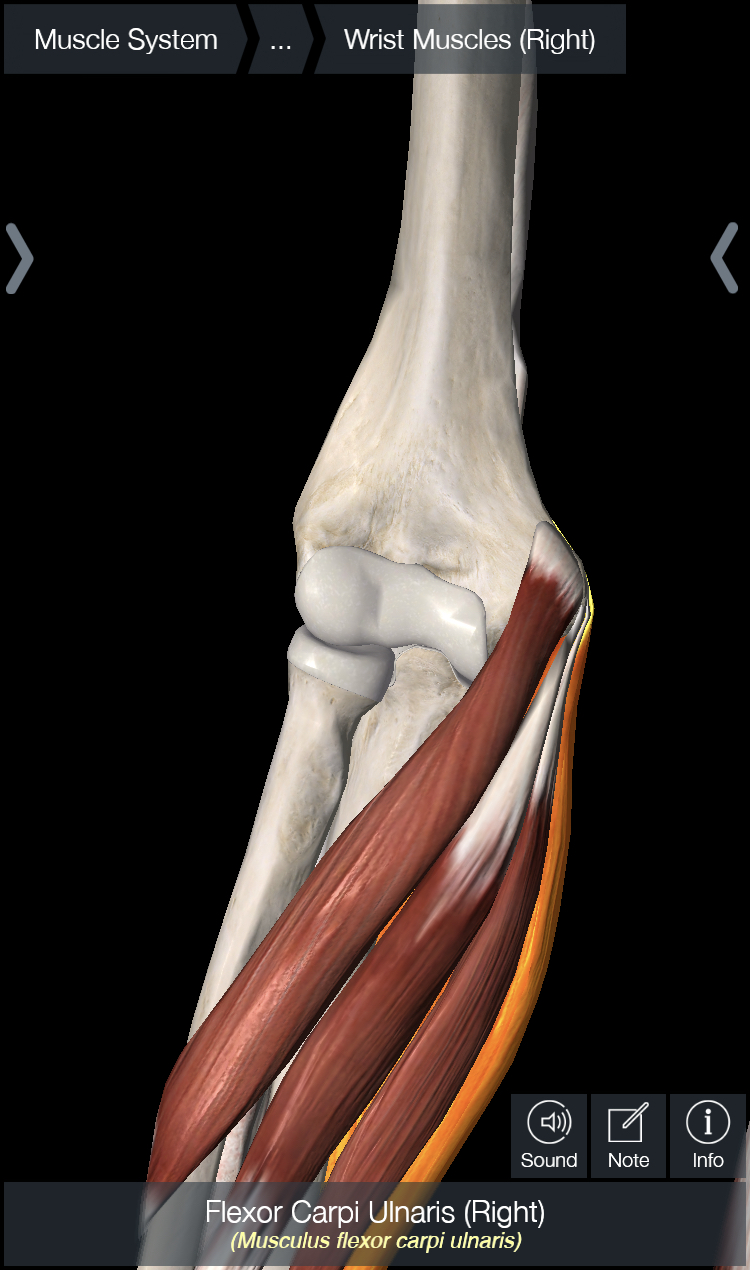
In the pictures below, you are looking at a picture of a right elbow from the front. In picture 1, I have highlighted the anterior band of the UCL; in picture 2, I have highlighted the biceps muscle; and in picture 3; I have highlighted the forearm flexor musculature.

Americana Elbow Mechanism of Injury
The effect of the Americana on the elbow is to create what’s known as a valgus force, which is the same force placed on a pitcher’s elbow when they are in the “cocking” position of a throw. Similar to the arm bar, the anterior band of the UCL is the portion that is most likely to be damaged by an Americana. If you felt a pop in the inside of your elbow when the injury occurred, you most likely sprained this ligament. It is possible that you strained one of the forearm flexors, but this is much less likely (tendons are stronger than ligaments and the majority of the force of the Americana is placed on the joint, not the musculature.
How to Recover from a Bad Americana Elbow Injury
As always, the most important concept for injury recovery is to not re-injure the elbow. When training, this means avoiding Americanas and arm bars, since they both injure the same ligament, and it also means you should not throw balls or other objects with the injured arm. Also, if you dislocated the elbow, which should be pretty difficulty to do with an Americana, you need to seek immediate medical assistance to 1) relocate the elbow and 2) make sure no nerve or blood vessels were damaged.
When you’re ready to get back on the mats, the best way to support the inside of the elbow is with this taping technique (scroll to “medial crosses” section). In effect, this taping technique resists valgus force, which will take pressure off of the UCL if done properly. Since the forearm flexors do not provide a substantial resistance to valgus force at the elbow, there is not much to strengthen. However, it is possible that the muscles around the elbow, particularly the wrist flexors and biceps, will begin to reflexively guard the elbow to try and prevent further damage. If this occurs, then massage, dry needling, and similar techniques will help reduce the tone in these muscles and the pain that is causes.
I hope you found this post on Americana injuries informative. If you are having difficulty recovering from an Americana, it is worth seeing a physical therapist for an additional opinion and treatment to get you back on the mats. If you live in the Grand Junction area, feel free to give me a call for a free consultation to see what we can do!