
Post-Surgical Supplementation Strategies Following ACL Reconstruction
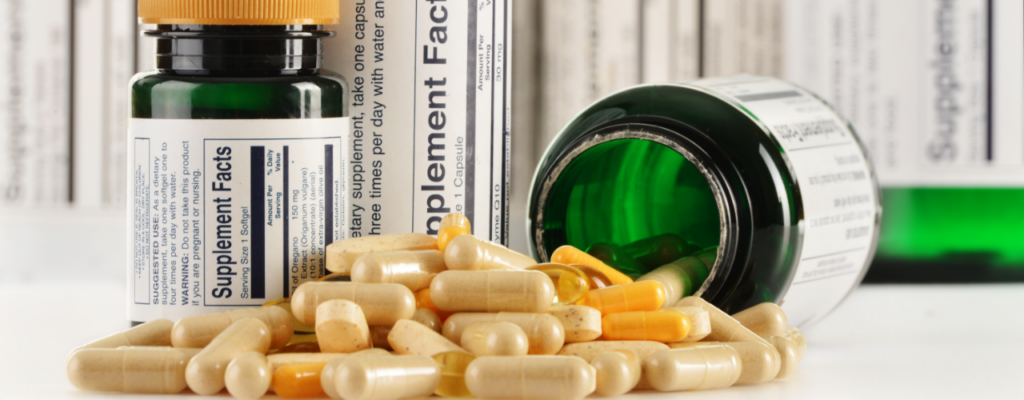
Today’s post is going to cover the supplementation strategies I will be employing when I recovery from an ACL reconstruction. While the majority of your nutritional needs can and should come from the food you’re eating, I also believe there’s a place for supplementation, especially due to some of the unique challenges posed by surgery. This list is not necessarily in order of importance (and I don’t think the evidence exists at this point to create an objective order of all 8), but I will say that I believe EAAs are the most important on the list.
Beneficial supplements
1. Essential Amino Acids (EAAs)
In the days leading up to surgery, as well as in the days and weeks after surgery, EAAs are very helpful for maintaining muscle and improving recovery. One study found that administering EAAs intravenously after surgery reduced whole-body protein breakdown by 20% and increased whole-body protein synthesis by 40%. Notably, this study administered EAAs as a rate of 2.5g/kg/day (200g/day at my bodyweight), which is significantly higher than the dose that is typically recommended.
A more realistic study administered 20g of EAAs 2x/day to individuals following a total knee replacement and compared them to a placebo. This study found that the individuals who received the placebo lost 3 times more muscle in their quadriceps compared to the EAA group. The EAA group also did better on tests of functional mobility (sit to stands, walking, and stair navigation) compared to the control group. The EAA administration began 1 week before surgery and continued for 2 weeks post-surgery.
2. Fish oil
Fish oil supplementation serves multiple roles following surgery. First off, fish oil supplementation enhances the effect of amino acid supplementation, leading to less muscle loss in the days following surgery.
Fish oil supplementation also helps with wound healing. One study found that fish oil supplementation improved early would healing and mediated the deposition of collagen at the wound site, which can prevent excessive scarring from occurring.
Fish oil also enhances immune function. One meta-analysis found that fish oil supplementation post-surgery resulted in lower levels of C-reactive protein (CRP) and interleukin-6, and also improved biomarkers related to fighting infections.
3. Colostrum
One of the results of the body’s response to the trauma induced by surgery is the release of inflammatory substances that increase the permeability of the gut lining. This can be problematic, because it can lead to bacteria passing through the gut lining into the blood stream. At best, this creates additional work for your body as it works to clear these bacteria, and at worst it can lead to infections and sepsis.
Colostrum is the first milk produced by the mammary glands following birth and has been studied extensively for its use in humans. Colostrum contains many immunological factors that help prevent infection in the digestive tract of babies until the baby’s own immune system has matured. This situation is similar to the one described above, where the body’s immune system is diminished in response to surgery.
Many studies have shown that colostrum effectively acts as an additional layer of the gut lining, preventing bacteria from crossing through the gut lining. In addition, administration of colostrum concurrently with NSAIDs, which are a common medication for pain and inflammation following surgery, helped to mitigate the negative effects of the NSAIDs on the gut lining.
4. CoQ10
CoQ10 functions as a regulator of metabolic activity. This results in an upregulation of antioxidants in response to surgical trauma, which prevents damage from free radicals following surgery. One study found that supplementation of CoQ10 for 12 weeks post-surgery resulted in significantly lower levels of oxidative stress and inflammatory markers (CRP and IL-6) and higher levels of antioxidant enzyme activity compared to a control group.
5. Vitamin C
Vitamin C has a ton of uses in the body, including acting as an antioxidant and improving wound healing times following surgery. There is also research showing that levels of vitamin C in the blood drop significantly following surgery and are returned to normal levels with relatively small dosages (100-500 mg/day). This research differs in a few ways from my situation – the vitamin C was given via IV and the study population was individuals following gastrointestinal surgery that weren’t allowed to eat for 2 days – but vitamin C is such a safe and cheap supplement that it seems worth adding.
6. Kion Flex
While I wanted to avoid giving specific brand names for any of the supplements I’ve listed, this formulation has a variety of ingredients that would have been much harder to write about separately. The 3 ingredients are tumerosaccharides, haritaki, and proteolytic enzymes.
Tumerosaccharides are more familiar than you think. You’ve probably heard of curcumin, which is part of a broader class called curcuminoids, which have long been considered the bioactive component of turmeric. These curcuminiods only account for about 5% of the turmeric rhizome, however, and tumerosaccharides are another class of compounds found in the other 95%. Recent research has found that tumerosaccharides help with swelling, inflammation, and the gene expression of type II collagen (the main collagen found in cartilage).
Haritaki is a fruit that grows in the Middle East and Asia and has been widely used in Ayurvedic medicine for millennia. Haritaki acts as an antioxidant and has also been shown to increase glutathione levels and improve blood sugar control. In a study of individuals with knee osteoarthritis (which I have a higher likelihood of getting now that my ACL is being reconstructed), Haritaki supplementation improved knee pain and function compared to a control.
Kion Flex has a blend of 3 proteolytic enzymes, which are enzymes that assist in the breakdown of proteins. Most people think about this in relation to proteins from food, but if the enzymes are taken in the absence of food, they function to degrade proteins within the body that can lead to inflammation.
7. Zinc
This is an easy one to add because it’s already in my pantry. I always have zinc on hand for immune benefits, but it is also important for wound healing. I was unable to find any research specifically relating to zinc and knee surgery.
8. Quercetin
Quercetin gained some notoriety earlier this year because of its function as an ionophore, meaning that it’s a substance that is capable of transporting ions across a lipid membrane into a cell. This means that quercetin will help amplify the effect of other supplements, especially zinc, which will boost immune system function.
Quercetin has also been found to reduce scar tissue adhesions, which should hopefully benefit my soon-to-be scar.
9. NOT Creatine
Surprisingly, all of the research I found on creatine supplementation related to ACL repair found that there was NO effect. While I’m sure it would not hurt my rehab, it does not seem to have much, if any, effect.
Summary
There you have it – a list of all the supplements I plan on taking before and after I have my ACL repaired (except for BPC-157, which is a peptide that deserves its own blog post). It would be prudent to remember that I am a physical therapist, not a dietician or someone with specific training in interactions between drugs and supplements, so you should always consult with your surgeon before implementing your own pre- and post-surgical supplementation protocols. If you have questions, let me know in the comments on my Facebook page!
Western Slope Rehab and Performance is Here to Help
If you are struggling with injuries or have recently been in a motor vehicle accident, we can help. We are a physical therapy company that provides home-based orthopedic services in the Grand Junction, CO, area, as well as telehealth appointments throughout Colorado. If you would like to schedule a free consultation, you can call us as 970-462-9177, or fill out our contact form here.
If you found this post valuable, please like and share on our Facebook page, which is updated regularly with new content.