
What is the Difference Between Microcurrent and Milliampere When Using Electricity with Needles?
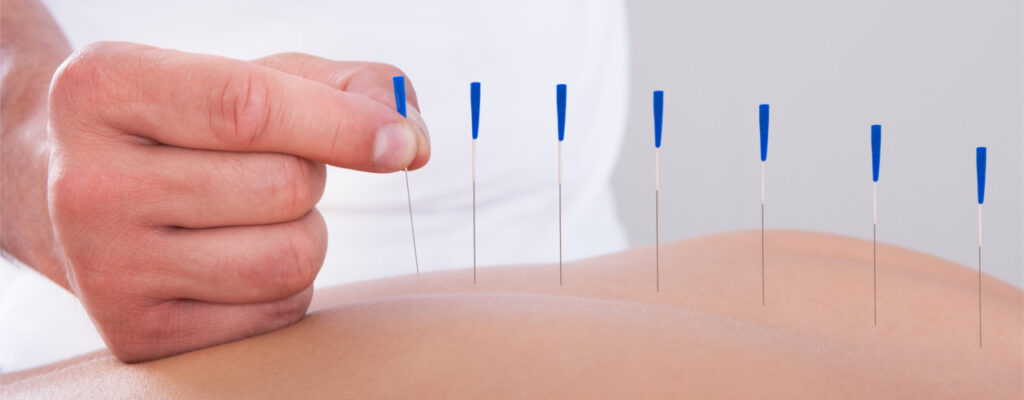
As promised in my last post, this week I will investigate the differences between microcurrent and milliampere currents when applying electricity, technically called PENS, to dry needling and acupuncture needles. The research in this area is quite slim, but I was still able to dig out a couple of nuggets from the research.
Microcurrent Effects
Microcurrent is a low-voltage current that typically does not elicit a muscle contraction (unless used at very high intensities). In a study in rats, the application of microcurrent over an area with artificially-induced swelling significantly reduced the amount of swelling produced in that region. Since swelling most commonly occurs during the acute phase of an injury (the first few days after the injury), using microcurrent will likely be effective in this time frame. Microcurrent also improves blood flow and may improve ATP synthesis, both of which are helpful for healing from injuries and relieving chronic pain (ATP is your body’s primary energy source).
Milliampere Effects
On the other side is a milliampere current. One major difference is that a milliampere current is a much stronger current, and you will experience a contraction of the muscle when this current is used. In my personal experience, I find milliampere to be more effective for immediately improving a patient’s pain, but in a patient who cannot tolerate any contraction of the injured muscle, this current will be unfeasible. The majority of the benefits you will receive from microcurrent are related to this repetitive muscle contraction, which you can learn more about in my prior blog post.
Summary
I wish this post could be a little more in-depth, but there is very little research available about the effects of these different types of current, especially when they are applied to dry needling or acupuncture. In my personal practice, I find the milliampere current to be more effective for immediately relieving pain and restoring function, so if you see me for a visit, this is most likely what I will use. In my next post I will be looking at cupping, which is guaranteed to have more research behind it. I’ll see you then!
Western Slope Rehab and Performance is Here to Help
If you are struggling with injuries or have recently been in a motor vehicle accident, we can help. We are a physical therapy company that provides home-based orthopedic services in the Grand Junction, CO, area, as well as telehealth appointments throughout Colorado. If you would like to schedule a free consultation, you can call us as 970-462-9177, or fill out our contact form here.
If you found this post valuable, please like and share on our Facebook page, which is updated regularly with new content.