
What is Dry Needling and How Does it Work?
What is it?
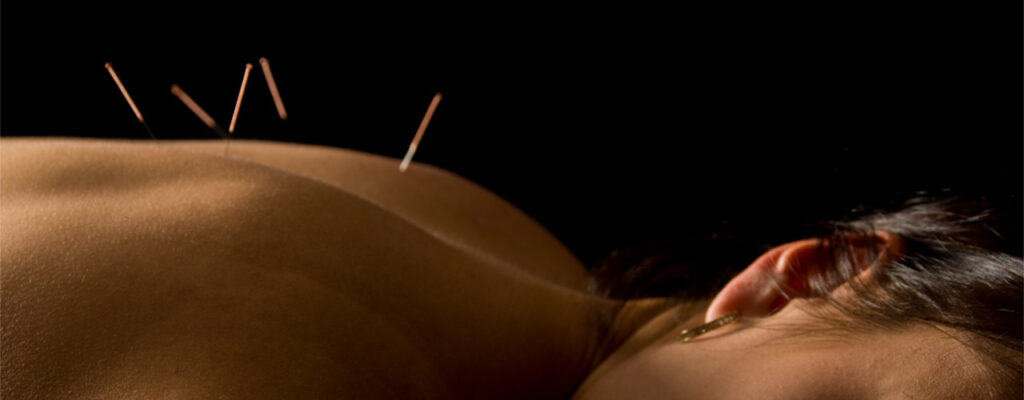
That first question is easy enough to answer. Dry needling is the use of a small needle (the same type of needle that acupuncturists use) that is aimed at trigger points (hyper-irritable spots in muscles) and other related points throughout the body that could be contributing to the pain and dysfunction the person is experiencing. The needles range from 0.5 to 5 inches and the length used depends on the amount the skin, muscle, and other tissues in the area being needled (e.g. you use a longer needle in a hamstring than in the forearm).
Dry needling is not acupuncture. While acupuncturists and practitioners that dry needle use the same tool, the treatment approach is different. Acupuncture is based on an Eastern medicine perspective (and since I am not trained in acupuncture, I will not try and describe their perspective), whereas dry needling is based on a Western medicine perspective. What this means in practice is that a therapist that dry needles works to effect changes in a patient’s movement, function, and pain by addressing dysfunction in the neuromusculoskeletal system.
How does it work?
Since I just mentioned the neuromusculoskeletal (NMSK) system, let’s break it down and describe what that means and how dry needling impacts it. The NMSK system is a term used to describe the nerves, muscles, bones, and everything else that contributes to your ability to move… essentially everything except the circulatory system, lymphatic system, and all the visceral organs. When a needle is stuck into a muscle, tendon, ligament, and sometimes even the outside of a nerve, it causes a response at the area of the needle insertion (local response), as well as throughout the body (physiological response).
The first response is the muscular, or local, response (based on the assumption that you are needling a muscle, which is the most common location). When a needle is inserted into a muscle, it creates physical damage to the muscle, destroying some of the muscle fibers and stretching others. This damage activates mechanisms that spring into action to address the damaged tissue and replace it with new tissues, which creates the physiological response.
The first response to the damage produced by the needle is the immune response. When damage is done to a tissue in the body, the body’s primary concern is that the damage does not spread (via infection or destructive compounds released from the damaged cells). As a result, when the needle is inserted into the tissues and destroys a small number of cells in the tissues it passes through, the body responds by drawing several different compounds to the area, including cytokines.
Cytokines are a group of proteins that act as signaling molecules to mediate and regulate the immune process. One of the first actions of the cytokines drawn to the injury site is to increase blood flow to the area, in order to increase the delivery of the compounds that are required for healing; this increase in blood flow is part of the reason you will see redness develop around the area where the needle was injected. The nutrients brought to the area don’t just go to the affected area, however; they also go into the surrounding tissues, which are likely also inflamed or injured, and help to heal these tissues as well (fun fact: one reason people experience chronic pain is due to chronic inflammation of small blood vessels in the area of the injury, which leads to a lack of blood flow and oxygen delivery to that area; dry needling helps to restore the rate of blood flow to its appropriate levels).
The immune, hormonal, and circulatory changes listed above affect more than just the muscles, tendons, and ligaments; they also affect the nerves. When muscles and other tissues in the body are inflamed, it irritates the adjacent nerves. When these nerves are irritated, they send a signal to your brain that is interpreted as pain, and the brain responds by sending a signal back to the inflamed area to inhibit the function of those tissues (this is most commonly noted by spasming or increased tone in the affected muscles).
It’s important to note that the signal sent from the injured tissue to the brain isn’t just a straight shot; it stops at several hubs along the way (just like you have to change planes in London if you’re flying from Denver to Milan). As an example, let’s say that you injured your triceps, the muscle on the back of your upper arm. The nerve associated with the triceps is the radial nerve, which comes out of the 6th, 7th, and 8th nerves in your neck (C6-8) and travels down the back of the upper arm, the top of the forearm, and into the back side of the hand. When you injure the triceps, the radial nerve carries that signal up the arm to a hub in the spinal cord in the areas of C6-8, and the signal is then taken to the brain via the spinal cord. In addition, the injury to the triceps will also affect the radial nerve in the other direction, as it goes down the arm to the hand. Dry needling can thus affect the radial nerve in 3 areas: in the area of injury in the triceps (symptomatic or local effect), in the muscles of the neck that correspond to C6-8 (segmental effect), and down the arm in areas that pass close to the radial nerve (systemic effect). Each of these effects will help decrease the inflammation in the triceps and reduce the irritation within the radial nerve.
Summary
Dry needling is an evolving area of research, and the rationales I have given above will likely improve as the body of research around dry needling grows. What we do currently know is that inserting a needle into a muscle or related tissue causes effects within the muscle itself while also triggering immune, hormonal, circulatory, and neural responses, all of which promote healing and reduce pain in and around the needled tissues.
Western Slope Rehab and Performance is Here to Help
If you are struggling with injuries or have recently been in a motor vehicle accident, we can help. We are a physical therapy company that provides home-based orthopedic services in the Grand Junction, CO, area, as well as telehealth appointments throughout Colorado. If you would like to schedule a free consultation, you can call us as 970-462-9177, or fill out our contact form here.
If you found this post valuable, please like and share on our Facebook page, which is updated regularly with new content.